


Essential Firearm Maintenance Techniques: Firearm Cleaning Tips You Need to Know

Owning a firearm comes with a responsibility to keep it in top shape. Proper maintenance ensures your gun works safely and reliably every time you need it. I’ve learned that regular cleaning and care not only extend the life of your firearm but also improve its performance. In this post, I’ll share essential firearm maintenance techniques that anyone can follow. Whether you’re new to guns or have years of experience, these tips will help you keep your firearm in excellent condition.
Why Firearm Cleaning Tips Matter
Cleaning your firearm is not just about appearance. Dirt, powder residue, and moisture can build up inside your gun and cause malfunctions. Over time, neglecting cleaning can lead to rust, corrosion, and even dangerous failures. I always remind myself that a clean gun is a safe gun.
Here are some reasons why cleaning is crucial:
Reliability: A clean firearm cycles smoothly and fires without jams.
Safety: Removing debris reduces the risk of accidental discharge or misfires.
Longevity: Proper care prevents wear and tear on parts.
Accuracy: Clean barrels improve bullet trajectory and precision.
I recommend setting a cleaning schedule based on how often you shoot. After every range session, a quick clean is a must. For guns stored long-term, a thorough cleaning every few months keeps them ready.

Firearm Cleaning Tips: Step-by-Step Guide
Cleaning a firearm might seem intimidating at first, but it’s straightforward once you know the steps. Here’s a simple routine I follow that works for most guns:
Unload the Firearm: Always double-check that your gun is unloaded before starting.
Disassemble: Follow your firearm’s manual to take it apart safely.
Clean the Barrel: Use a bore brush and solvent to scrub the inside of the barrel. Run patches through until they come out clean.
Clean Other Parts: Wipe down the slide, frame, and other components with a cloth and solvent.
Lubricate: Apply a light coat of gun oil to moving parts to reduce friction.
Reassemble: Put your firearm back together carefully.
Function Check: Test the action to ensure everything works smoothly.
Some tips to keep in mind:
Use quality cleaning solvents and lubricants designed for firearms.
Avoid over-lubricating; too much oil attracts dirt.
Use cotton patches or microfiber cloths to avoid scratching surfaces.
Clean in a well-ventilated area to avoid inhaling fumes.
By following these steps, you’ll keep your firearm in peak condition and ready for action.
What Maintenance Does a Gun Need?
Beyond cleaning, firearms require other maintenance tasks to stay reliable. Here’s what I focus on regularly:
Inspect for Wear: Check springs, pins, and screws for signs of damage or loosening.
Check the Sights: Make sure sights are aligned and secure.
Examine the Magazine: Clean and inspect magazines to prevent feeding issues.
Rust Prevention: Apply a protective coating if you live in humid areas.
Replace Worn Parts: Swap out worn springs, extractors, or other components as needed.
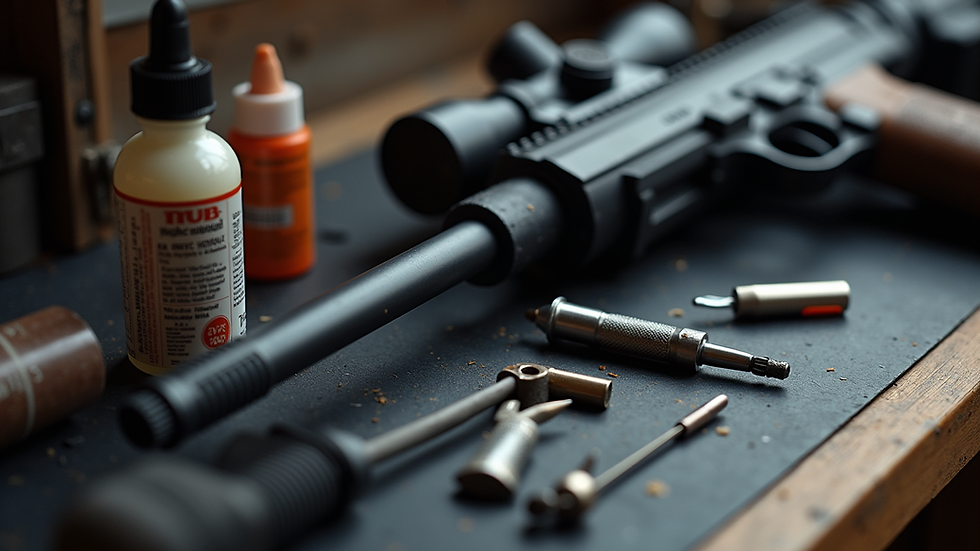
Regular inspections help catch problems early before they become serious. I keep a small maintenance kit handy with spare parts and tools for quick fixes.
Tips for Maintaining Different Types of Firearms
Different guns have unique maintenance needs. Here’s a quick overview:
Handguns: Clean after every use. Pay special attention to the barrel and slide rails.
Rifles: Clean the bore thoroughly. Check the stock and action for dirt buildup.
Shotguns: Clean the barrel and chamber. Remove any residue from wads or shot.
Semi-Automatics: Clean the bolt and recoil spring regularly to prevent jams.
Revolvers: Clean the cylinder chambers and the forcing cone area.
No matter the type, always consult your firearm’s manual for specific instructions. I find that keeping a maintenance log helps track when each gun was last cleaned or serviced.
How to Store Your Firearm Properly
Proper storage is part of good firearm care. Even a clean gun can suffer damage if stored incorrectly. Here’s what I do to protect my firearms:
Store guns in a cool, dry place to prevent rust.
Use a gun safe or lockbox for security.
Place silica gel packs or dehumidifiers inside storage areas.
Avoid storing firearms with oil-heavy coatings that can attract dust.
Store firearms unloaded and separate from ammunition.
Good storage practices complement your cleaning routine and keep your firearms ready for use.
Final Thoughts on Firearm Maintenance
Taking care of your firearm is a simple but vital task. Regular cleaning, inspection, and proper storage ensure your gun performs well and lasts for years. I encourage you to make maintenance a habit. It’s not just about keeping your gun clean - it’s about safety, reliability, and respect for your equipment.
If you want to dive deeper into expert tips and services, check out FirearmMaintenance for trusted advice and professional help. Remember, a well-maintained firearm is a dependable firearm!
Happy cleaning and stay safe out there!


Comments